Integrating Support Networks and Payment Security in Mobile Reward Ecosystems
Written by Vera Flores · Nov 14, 2026
Integrating Support Networks and Payment Security in Mobile Reward Ecosystems
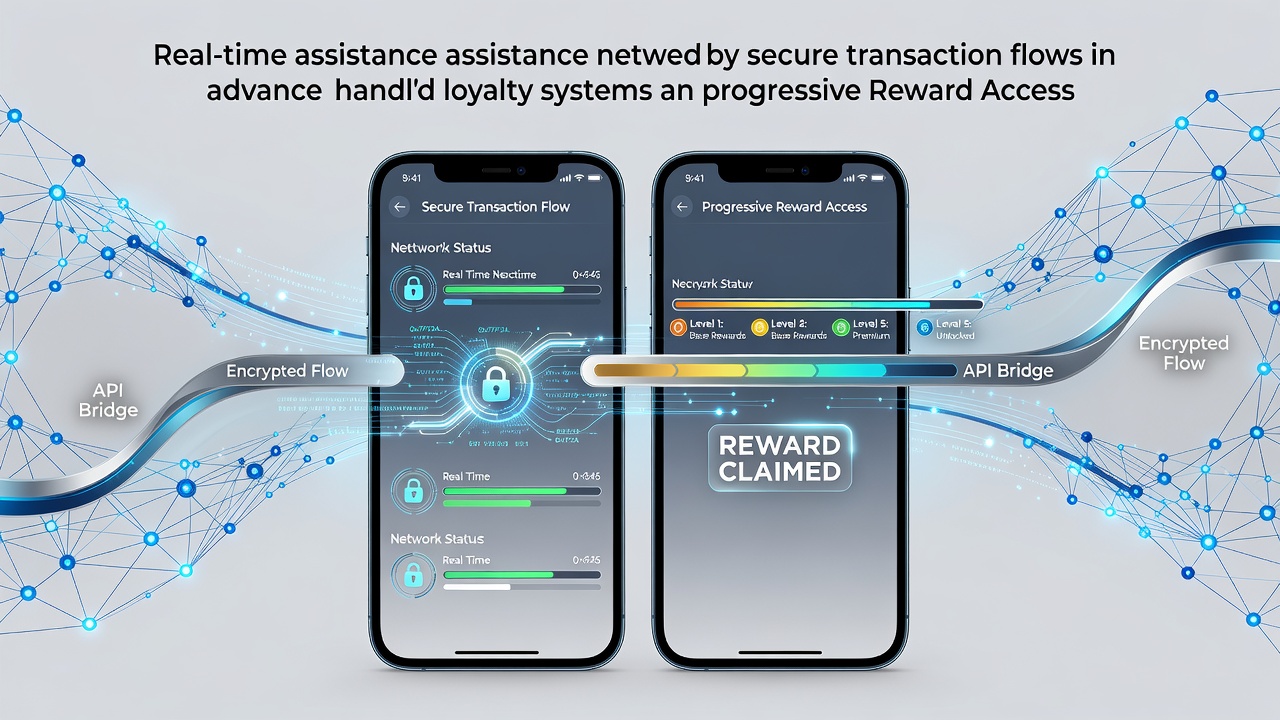
Handheld loyalty systems have expanded rapidly in recent years as operators seek to connect users with tiered rewards through mobile interfaces, and this growth has prompted closer examination of how real-time assistance networks link with secure transaction flows to enable progressive reward access. Researchers at various institutions have documented the technical requirements for maintaining data integrity during these connections, while developers focus on protocols that allow live support interactions to trigger or verify payment sequences without exposing sensitive details.
Core Components of Network Integration
Real-time assistance networks typically include chat modules, automated response systems, and human agent dashboards that operate alongside transaction processors handling deposits, withdrawals, and reward redemptions. Data indicates these elements function through application programming interfaces that authenticate each step, ensuring that a user request for assistance can initiate a secure flow leading to reward progression. According to reports from the Canadian Gaming Association, such integrations have appeared in multiple platforms since the mid-2020s, with emphasis on encryption standards that prevent interception during mobile sessions.
Secure transaction flows rely on tokenization and multi-factor verification to move funds or credit rewards, and when bridged with assistance networks, these flows gain the ability to confirm eligibility for progressive tiers in real time. Observers note that this bridging reduces latency between a support query and reward unlocking, because the same session can handle both elements without separate logins or additional data transfers. Studies from academic centers in Australia have highlighted how these combined pathways support compliance with regional data protection rules while maintaining user session continuity.
Technical Architecture and Data Pathways
The architecture usually involves a central middleware layer that routes requests from the mobile application to either the assistance backend or the payment gateway, depending on the context of the interaction. This layer applies role-based access controls so that assistance agents can view transaction status without accessing full account credentials, and transaction logs feed back into reward tracking modules. Evidence from industry analyses shows that platforms employing this structure have recorded higher completion rates for loyalty milestones, because users encounter fewer interruptions when seeking guidance on tier advancement.
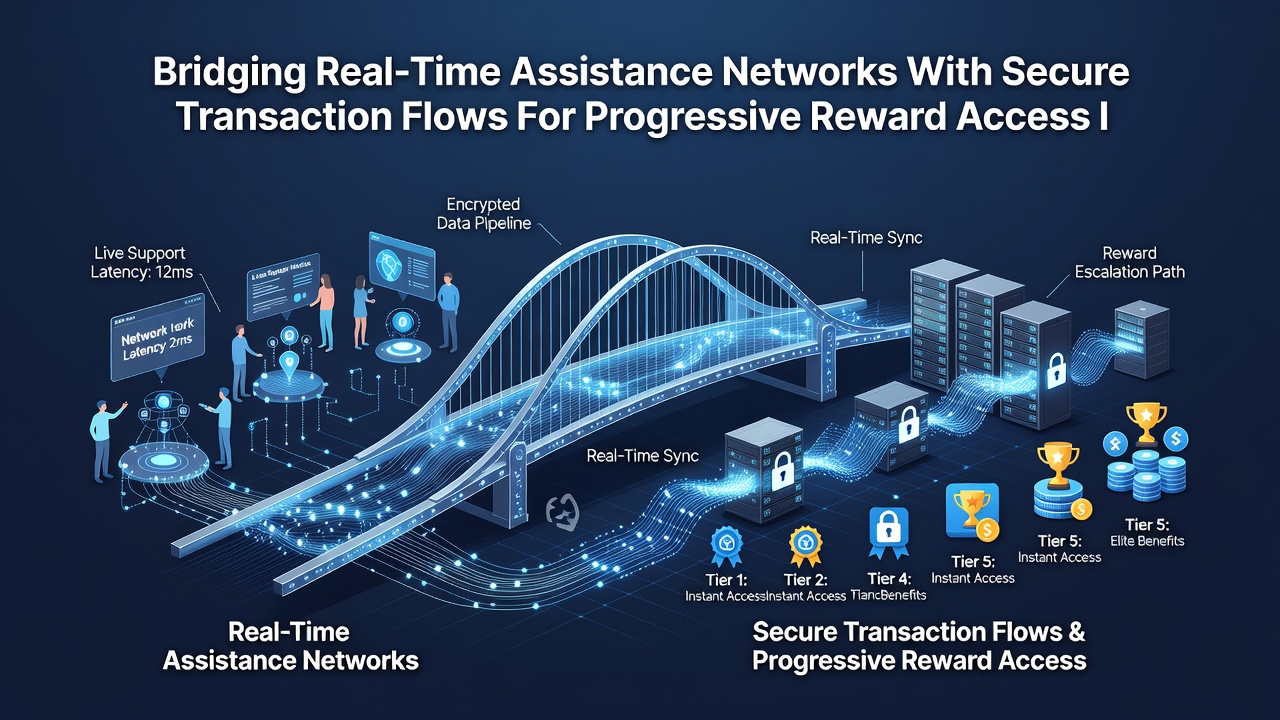
In November 2026, several jurisdictions are preparing updated guidelines on digital payment verification within loyalty programs, and operators have begun testing enhanced bridging methods to align with those timelines. These preparations include stress-testing the middleware for simultaneous assistance and transaction loads, along with audits that verify reward calculations occur only after transaction confirmation. Government sources in the European Union have published preliminary frameworks that address similar interoperability requirements, focusing on audit trails that link each assistance event to a corresponding transaction record.
Security Protocols and Reward Progression
Progressive reward access depends on cumulative activity tracked across sessions, and secure flows ensure that only verified actions contribute to tier movement. Assistance networks contribute by resolving discrepancies in real time, such as confirming a deposit that had not yet updated the loyalty balance. Research published through the University of Nevada's gaming studies program has examined how these resolutions affect overall system reliability, noting that integrated pathways can decrease the frequency of manual interventions by support staff.
Token exchange mechanisms form another layer, where temporary identifiers replace actual account numbers during both assistance and payment steps. This approach allows the assistance network to authorize reward adjustments without holding persistent financial data, and transaction systems receive only the minimal information needed for processing. Industry organizations such as the International Association of Gaming Regulators have referenced these methods in discussions on cross-border platform standards, emphasizing their role in maintaining consistent user experiences across devices.
Implementation Patterns Across Platforms
Multiple operators have adopted modular designs that permit assistance and transaction components to scale independently while sharing a common authentication service. One documented case involved a platform that connected its live agent interface directly to a rewards ledger, enabling agents to trigger balance updates after verifying a transaction through the secure flow. Data from regulatory filings in various regions shows that such patterns have supported smoother transitions when users move between basic and premium loyalty tiers.
Testing protocols often simulate peak usage periods to confirm that the bridged systems maintain response times below established thresholds, and logs from these tests feed into continuous improvement cycles for both networks. Those who have reviewed deployment records note that platforms with well-separated yet interconnected modules encounter fewer conflicts when updating reward algorithms or support scripts.
Conclusion
The integration of real-time assistance networks with secure transaction flows continues to shape how handheld loyalty systems deliver progressive rewards, as technical standards evolve alongside regulatory expectations. Platforms that maintain clear data pathways and robust verification steps demonstrate measurable consistency in reward access, and ongoing developments scheduled around November 2026 are expected to refine these connections further. External references such as reports from the Canadian Innovation Centre and academic summaries issued by the University of Nevada Reno provide additional context on the underlying frameworks supporting these systems.