Pathways from Payment Systems to VIP Tiers in Mobile Progressive Jackpot Environments
Written by Vera Flores · Oct 17, 2026

Pathways from Payment Systems to VIP Tiers in Mobile Progressive Jackpot Environments
Payment methods in handheld progressive prize games create direct connections to tiered membership structures where deposit volume, frequency, and type determine access levels. Data from industry tracking shows that platforms integrate funding channels with loyalty algorithms, converting transaction patterns into eligibility for exclusive benefits such as enhanced jackpot multipliers and private game rooms. Researchers at gaming analytics firms note these pathways operate through automated systems that log every deposit against predefined thresholds, moving players upward without manual intervention in most cases.
Core Mechanics Linking Deposits to Membership Progression
Funding options range from credit cards and e-wallets to bank transfers and prepaid vouchers, each carrying distinct weighting in the progression formulas used by mobile platforms. A single high-value deposit through a verified channel can accelerate advancement by multiple tiers, while repeated smaller transactions accumulate points over time according to platform-specific multipliers. Observers note that progressive jackpot pools themselves often tie eligibility rules to these same funding histories, requiring minimum activity levels before a player qualifies for the largest prize segments. As of October 2026, several operators updated their internal tracking dashboards to display real-time progress toward the next tier immediately after each transaction completes.
Regional Regulatory Influences on Funding Pathways
Government bodies establish baseline requirements that shape how platforms connect deposits to benefits. The Nevada Gaming Control Board publishes standards requiring transparent disclosure of how payment data feeds into reward calculations, ensuring players receive clear information about tier qualification. In contrast, Australian state regulators emphasize consumer protection measures that limit aggressive acceleration tactics while still permitting structured progression systems. These frameworks create consistent data trails that platforms must maintain, allowing seamless mapping from initial funding to eventual VIP status across different jurisdictions.
Industry organizations such as the European Gaming and Betting Association compile reports that quantify average advancement speeds based on deposit categories. Figures reveal that e-wallet users often reach mid-tier status faster than those relying on traditional bank methods because of lower processing friction and higher transaction approval rates. Yet the same reports indicate that certain prepaid options receive bonus multipliers in select markets, altering the pathway dynamics depending on location and operator policy.
Technical Integration of Transaction Data with Reward Algorithms
Platforms employ backend systems that parse deposit metadata including amount, method, timing, and verification status before assigning points or direct tier jumps. These algorithms cross-reference the data against progressive jackpot contribution rules, where only qualifying deposits count toward pool eligibility. One documented case involved a Canadian operator adjusting its weighting matrix after internal audits showed that cryptocurrency deposits produced higher retention rates among top-tier members compared with other methods. The adjustment resulted in modified benefit structures that granted additional jackpot entry tickets to verified crypto users reaching specific cumulative thresholds.
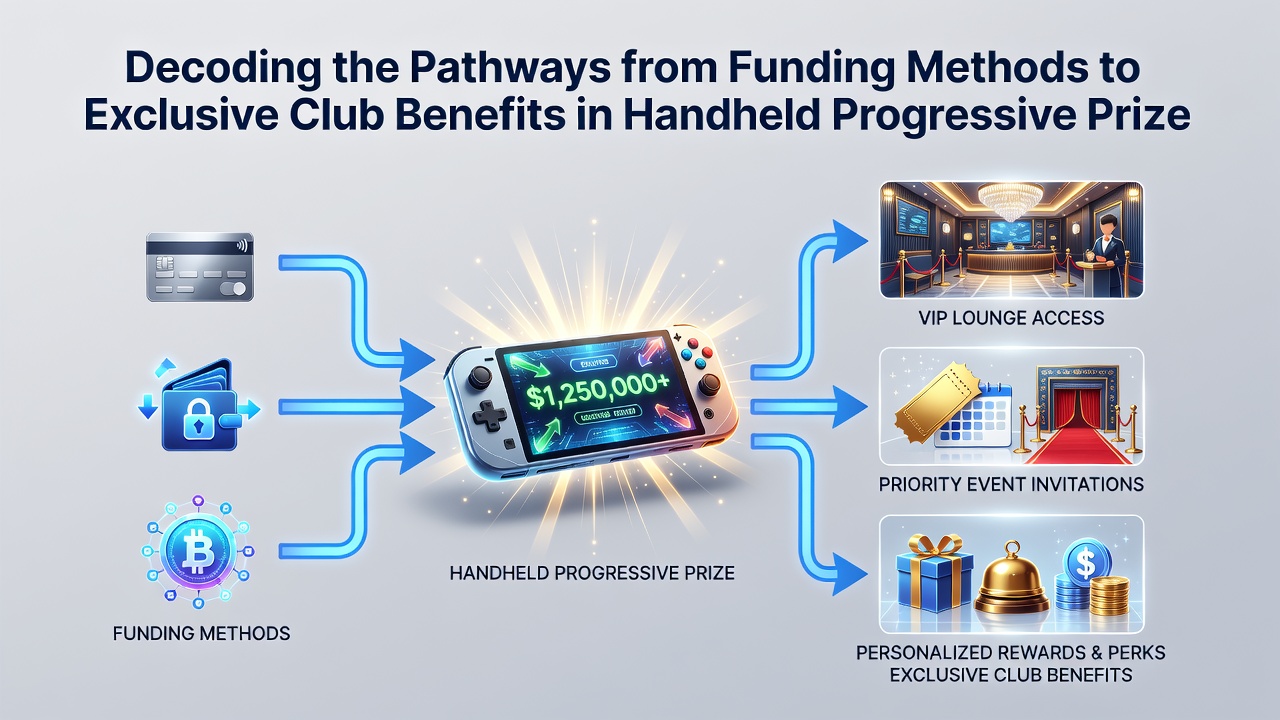
Handheld applications further streamline these connections through push notifications that alert users the moment a deposit triggers a tier upgrade. The notifications typically include details about unlocked benefits such as priority support access or exclusive tournament invitations tied to the new status. Data indicates that platforms maintaining these instant feedback loops experience higher ongoing engagement metrics, particularly among players already participating in progressive prize pools.
Case Examples from Platform Implementations
Multiple operators demonstrate varied approaches to the same underlying pathway. One Asian-facing platform assigns tier points exclusively based on deposit frequency rather than total value, creating a model that rewards consistent small transactions with gradual VIP elevation. Another European operator incorporates payment method diversity as an additional scoring factor, granting extra progress for using multiple verified channels within a calendar month. Both systems ultimately feed into the same outcome: exclusive club entry that unlocks enhanced participation rights in handheld progressive prize games.
University-affiliated research groups have examined these structures through anonymized transaction datasets, identifying correlations between specific funding patterns and long-term prize attainment rates. Their findings show that players who combine regular e-wallet activity with occasional larger bank transfers tend to reach premium tiers at rates approximately 30 percent higher than single-method users, though the exact percentages vary by platform and regulatory environment.
Conclusion
The connections between funding methods and exclusive club benefits in handheld progressive prize games rest on structured data flows that convert transaction details into tier advancement and jackpot access. Regulatory standards from bodies like the Nevada Gaming Control Board and reports from groups such as the European Gaming and Betting Association establish the boundaries within which platforms design these systems. As transaction technologies evolve, the pathways continue to incorporate new variables while maintaining the core principle that consistent, verified funding activity determines eligibility for premium rewards and larger prize opportunities.